Mavericks File for Disabled Player Exceptions for Lively and Exum

Mavericks File for Disabled Player Exceptions for Lively and Exum
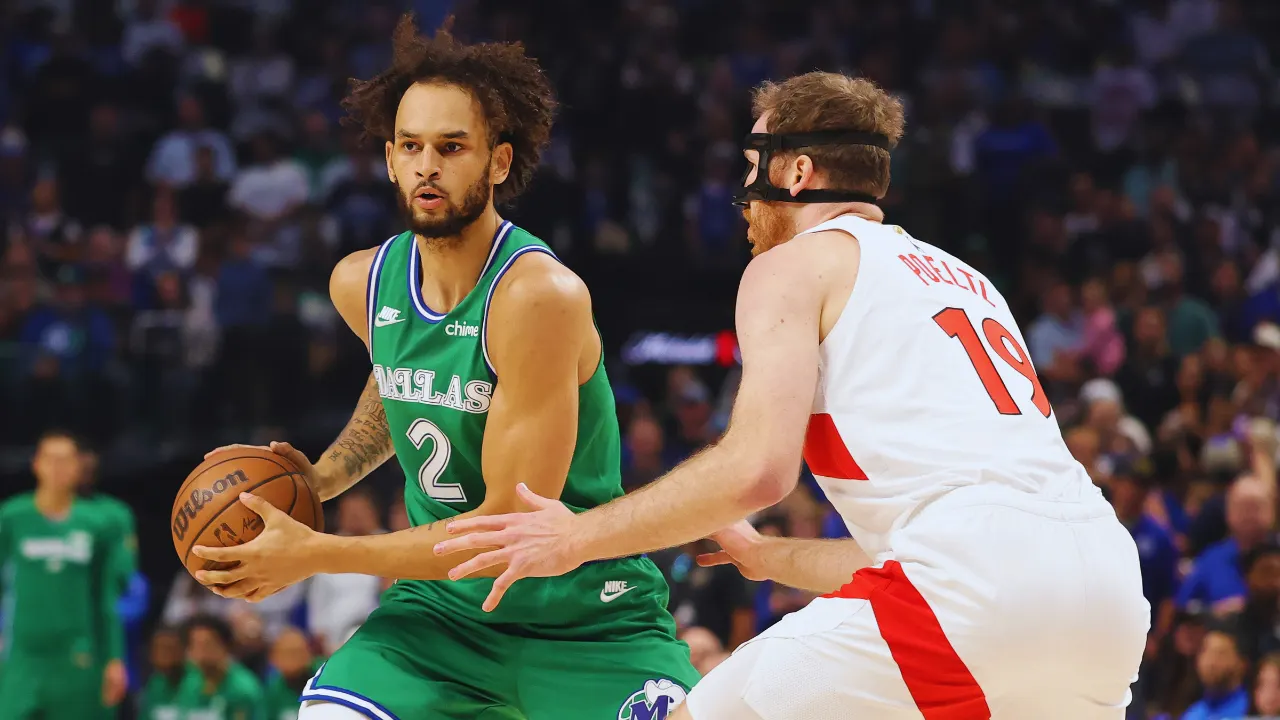
The Dallas Mavericks are facing a challenging stretch this season, as two of their key players—Dereck Lively II and Dante Exum—will be out for the remainder of the year. The team has formally submitted an application to the NBA for Disabled Player Exceptions (DPEs) to address the roster shortfalls. This acquisition allows the Mavericks to add new players to address existing gaps and maintain their competitive position in the playoffs.
Both Lively and Exum have been contending with significant injuries that now necessitate surgical intervention. The Mavericks are optimistic that these personnel exceptions will help them remain competitive in the Western Conference.
What the Disabled Player Exception Means
In the NBA, a Disabled Player Exception is a specialized financial provision that a team may request when a player sustains a season-ending injury. It enables the team to acquire a new player—whether through signing, trading, or claiming via waivers—without exceeding the specified salary cap.
Reports indicate that the Mavericks submitted applications for two distinct DPEs:
$2.6 million for Dereck Lively II
$1.1 million for Dante Exum
These exceptions enable the team to replace injured players through temporary agreements. Nevertheless, any athlete signed under a DPE must be under a contract that extends beyond the current season. The Mavericks cannot use this exception to sign a player to a multi-year contract or one that includes options for the following season.
Mavericks Managing Injuries and Salary Regulations
Financial considerations and personnel capacity are also significant factors in this scenario. The Mavericks are currently operating with less than $1.3 million remaining under their second-apron hard cap, a stringent salary limit established by the NBA. This restriction prohibits high-expenditure teams from acquiring additional costly contracts.
Consequently, Dallas cannot acquire a replacement player until January 6, when financial capacity becomes available. Additionally, a DPE does not create a new roster spot; therefore, the Mavericks will still need to release or trade a player to add a new player.
This underscores the importance of the front office’s meticulous planning for subsequent actions. The team’s management must carefully balance addressing roster deficiencies with remaining within the contract limit.
Dereck Lively II: A Talented Young Center Encountering Another Obstacle
Numerous challenges have marked twenty-one-year-old Dereck Lively II’s path to the NBA. The talented junior center began his career with high expectations after being selected by Dallas. However, injuries have restricted his court time during his initial three seasons.
To date, Lively has played only 98 regular-season games, dealing with various injuries throughout the period. Earlier this month, NBA insider Shams Charania reported that Lively would undergo a season-ending surgical procedure on his right foot to address persistent discomfort.
Before his injury earlier this year, Lively participated in seven games, with an average of:
4.3 points per game
5.3 rebounds per contest
1.6 tiles per game
He frequently contributed vitality and defensive prowess to the lineup, demonstrating glimpses of his potential as a rim protector. The Mavericks are confident in his promising future and anticipate a full recovery following surgery.
Dante Exum: A Season Prematurely Halted Due to Knee Injuries
For Dante Exum, the narrative is one characterized by perseverance and setbacks. The 30-year-old guard successfully reestablished himself in the NBA after being inactive for years due to injuries. Following his signing with Dallas, he emerged as a valuable role player, demonstrating proficiency in shooting and ball handling.
However, Exum has been contending with persistent complications resulting from a knee procedure performed during the offseason, which now necessitate an additional surgical intervention. The team has officially verified that his season has concluded.
Last year, Exum returned to the NBA after a series of injuries, including a fractured hand, that limited him to just 20 games. However, when in good health, he demonstrated a judicious and effective style of play.
During his most recent season, Exum achieved an average of:
8.7 points per game
1.7 rebounds per contest
2.8 assists per contest
He also demonstrated remarkable precision, converting 47.8% of his field goal attempts and 43.4% of his three-point shots.
Exum’s proficiency in scoring and creating plays provided the Mavericks with an additional spark off the bench. His absence will undoubtedly be noticed in the latter portion of the season.
The Future Directions for the Mavericks
With two players sidelined for the year, the Mavericks are now confronted with several critical decisions. Whether they use the DPEs to sign free agents, acquire short-term help through trades, or wait for future opportunities, each decision will affect their chances of making the playoffs.
Potential options include contracting a veteran center to assume Lively’s responsibilities or acquiring a versatile guard to cover Exum’s minutes. However, due to their salary limitations, Dallas will need to identify advantageous value agreements.
The team has demonstrated resilience in the past. Under coach Jason Kidd and star guard Luka Dončić, the Mavericks remain one of the most compelling teams to watch. If they implement the right strategies, they can stay in playoff contention despite these setbacks.
Implications for Enthusiasts
For enthusiasts, such midstream developments can be challenging. The absence of two players, who are integral to both defense and playmaking, constitutes a significant setback. However, it also presents an opportunity for younger or less frequently utilized athletes to demonstrate their abilities.
Supporters will closely monitor the potential acquisitions the Mavericks may pursue using these exceptions. Each signing or transaction can significantly impact the competitive landscape of the Western Conference.
Mavericks’ Social Media Buzz
The injury updates for the Mavericks rapidly disseminated across social media platforms, particularly on X (formerly Twitter) and Instagram. Supporters expressed their encouragement for Lively and Exum, extended wishes for swift recoveries, and shared highlights of their most notable moments this season.
On Twitter, the hashtags **#GetWellLively** and **#MFFL (Mavs Fan For Life)** trended among fans supporting the team and encouraging resilience. YouTube and TikTok content creators also produced segments analyzing potential player signings and the financial aspects of the DPE process, presented in accessible language for fans.
This elevated level of social engagement demonstrates the intense loyalty of the Mavericks’ supporter base, particularly during challenging periods for the team. Support of this nature instills confidence in injured athletes as they concentrate on their recovery.
Financial Impact and Team Net Worth
Despite player injuries, the Mavericks remain among the most valuable teams in the NBA. According to sports business reports, the team’s estimated net worth is approximately $4.5 billion, ranking it among the top five most valuable franchises.
Robust supporter loyalty, regular playoff appearances, and prominent talent such as Dončić contribute to the team’s sustained financial stability. The contracts of the injured players have minimal impact on the overall value of the Mavericks, as the NBA’s salary restriction system and insurance provisions partially mitigate these losses.
Nevertheless, the absence of two players could diminish their playoff prospects, and this may affect ticket sales and merchandise revenue. That is why strategically using the Disabled Player Exceptions could help maintain both the team’s performance and the organization’s stability.
Looking Ahead
The Mavericks are currently focused on maintaining their competitiveness amid these challenges. The remainder of the season will be used to evaluate their resilience, leadership, and resolve. Young athletes will receive increased playing time, and management will continue to seek new talent to address existing deficiencies.
With the NBA season still underway, there remains ample opportunity for Dallas to modify, adapt, and return more resilient. Supporters will observe to determine how the team manages this situation—and whether these challenges ultimately become a narrative of resilience.